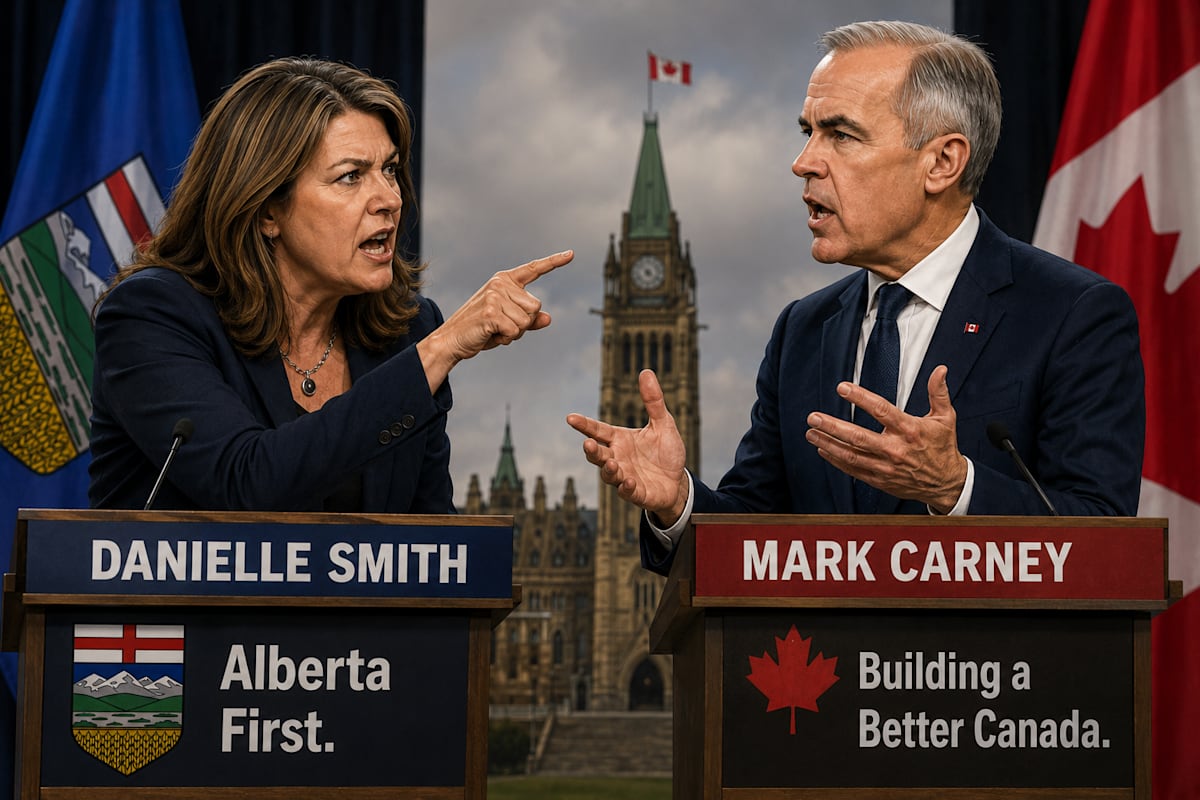
Alberta separation is what happens when a province looks at its paycheque, looks at Ottawa, and quietly mutters, “We need to talk.”
For years, Alberta has supplied Canada with oil, tax revenue, and enough economic activity to keep several government departments fully caffeinated. In return, it has received regulations, lectures, and the occasional reminder that prosperity is somehow suspicious.
Naturally, this has led to renewed calls for separation — or as politicians prefer to call it, “a constructive national conversation,” which is government language for “everyone is angry again.”
Supporters of separation insist Alberta could thrive independently thanks to oil, agriculture, and a population capable of surviving both economic downturns and February. Critics warn the province would face trade issues, currency questions, and the horrifying responsibility of solving its own problems without a federal task force.
Meanwhile, Ottawa remains calm, reassuring Albertans that their concerns are being taken seriously. Several studies will be commissioned immediately, followed by consultations, stakeholder outreach, and a commemorative awareness campaign printed on recycled paper.
The real problem for Ottawa is that the issue is not going away. Alberta separation may rise and fall in popularity, but frustration keeps returning because the underlying grievances never seem to change. Until Ottawa changes how it treats the province that largely funds the national credit card, the conversation will continue — louder, angrier, and increasingly difficult to dismiss as “regional frustration.”